
‹
Sector solutions
Accordion Header text
Accordion Header text
Accordion Header text
Accordion Header text
‹
About us
Accordion Header text
Accordion Header text
Accordion Header text
Accordion Header text
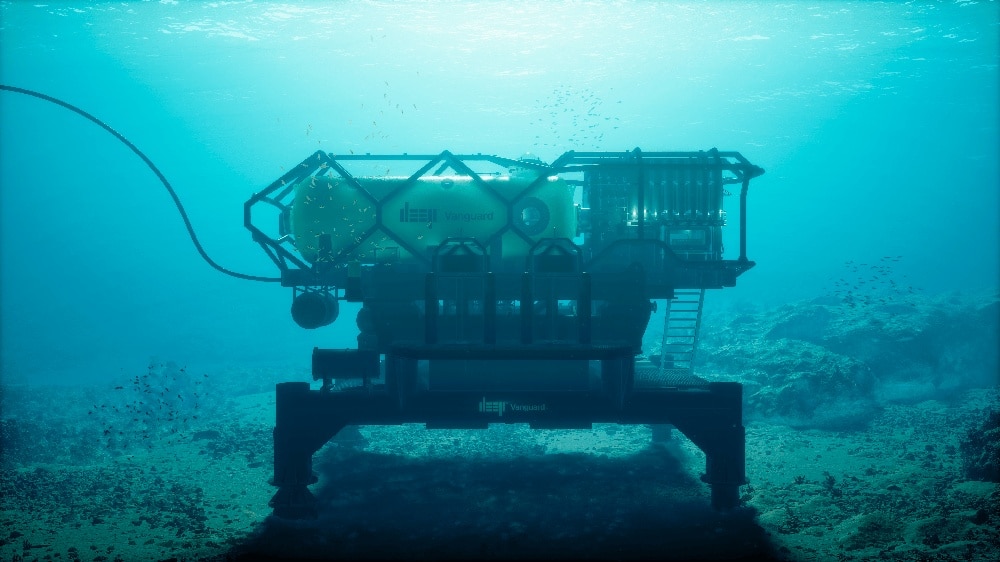
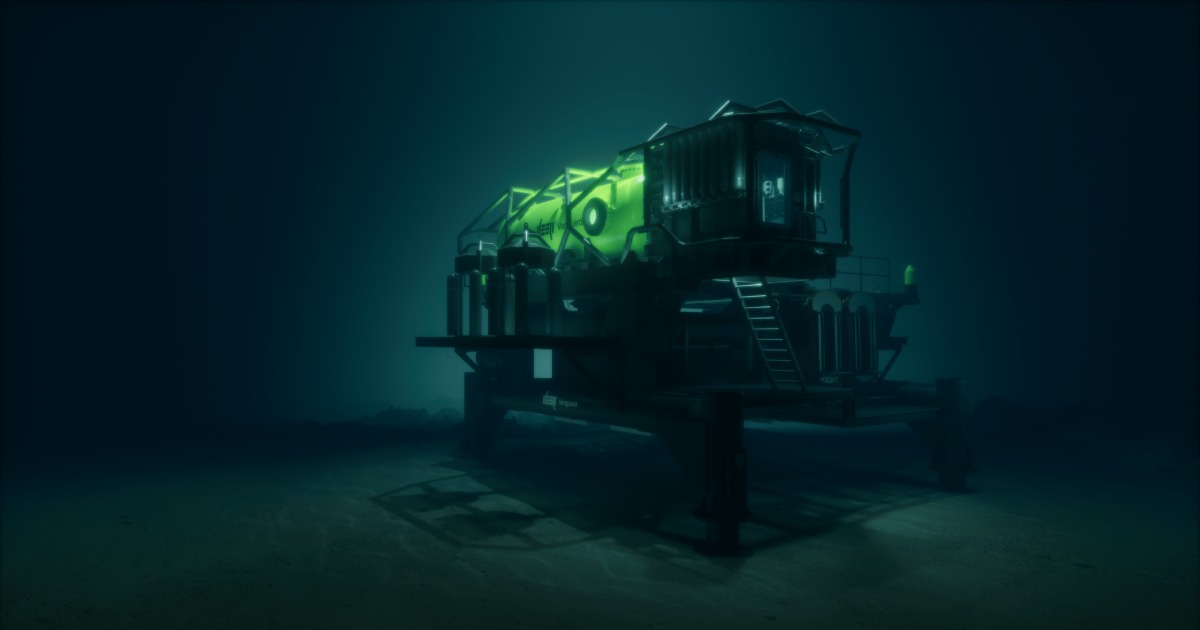
Vanguard will be the first underwater habitat to be classed by DNV – a leading international certification and classification provider for underwater technology – setting new global standards in subsea safety.
Vanguard supports a wide range of use cases. It’s an underwater platform for scientific research and environmental monitoring, coral reef restoration, advanced diving training, and for astronaut spaceflight training.
Vanguard is our pilot habitat. It will allow us to test and refine our operations to support a global network of subsea human habitats. The experience will propel future projects, such as Sentinel
No missions have been announced yet. Updates will appear here.
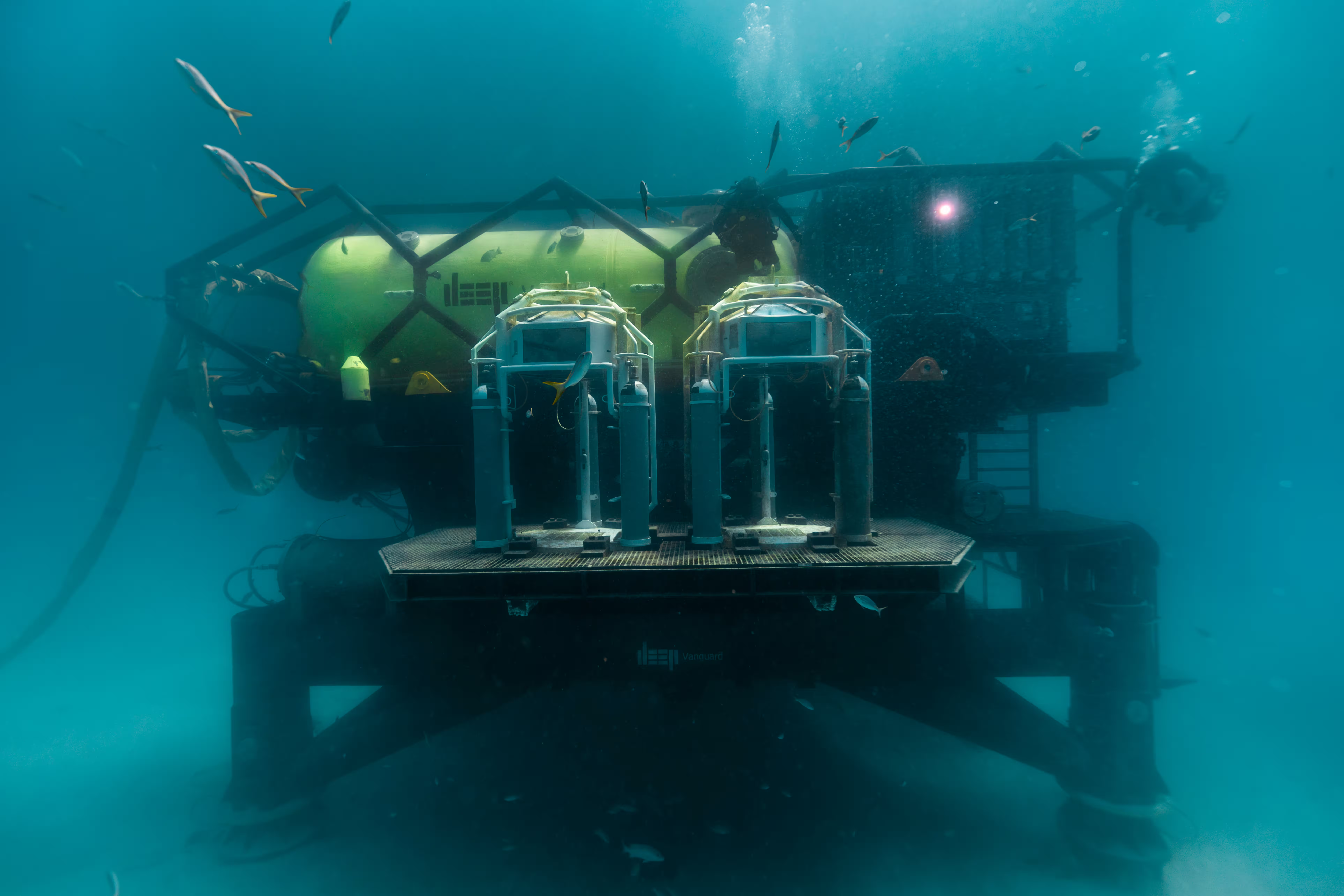
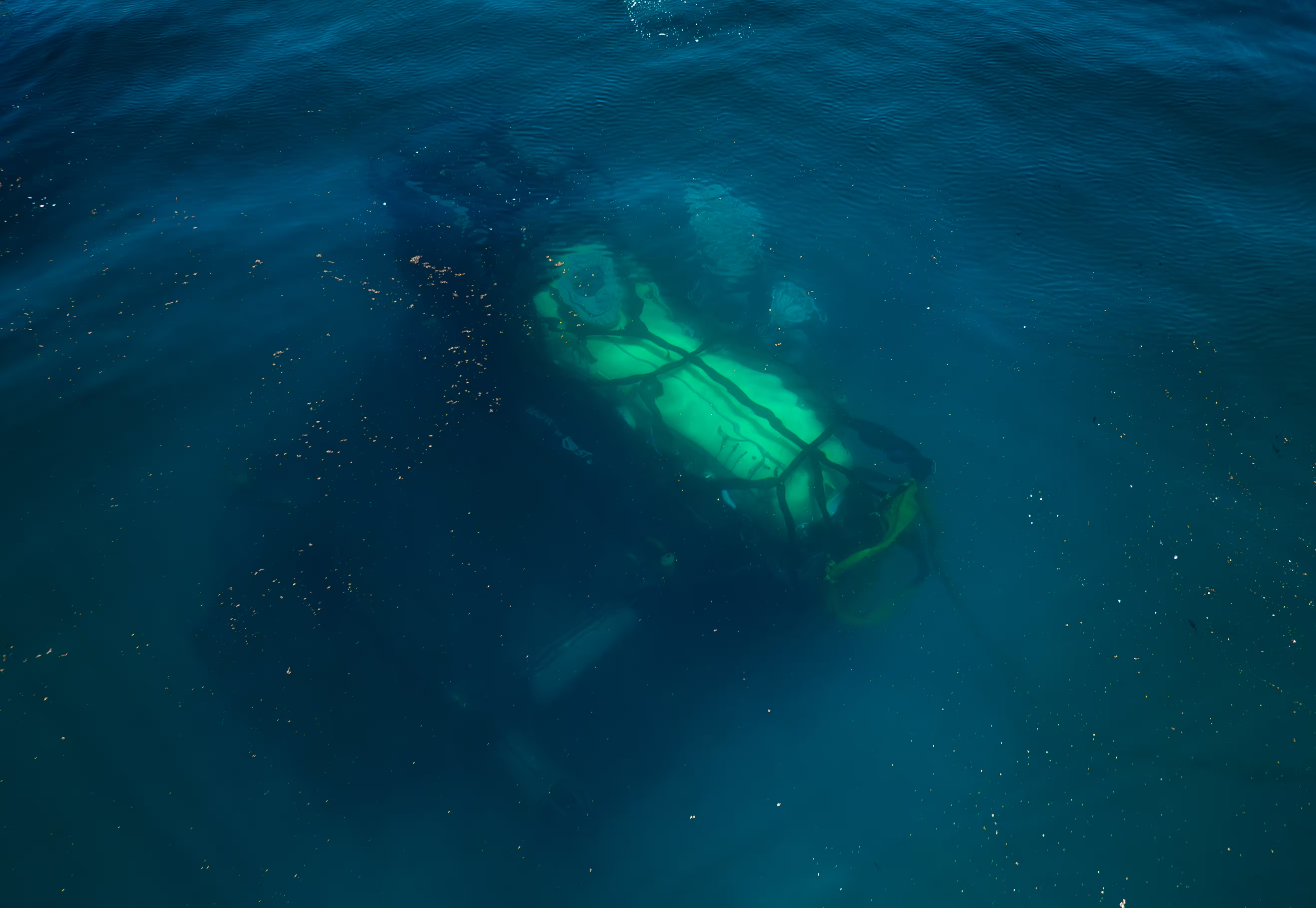
The dive center provides a space to change in and out of dive gear and, crucially, contains a moon pool. This convenient opening to the ocean allows the crew to enter and exit the habitat to perform underwater mission activities.
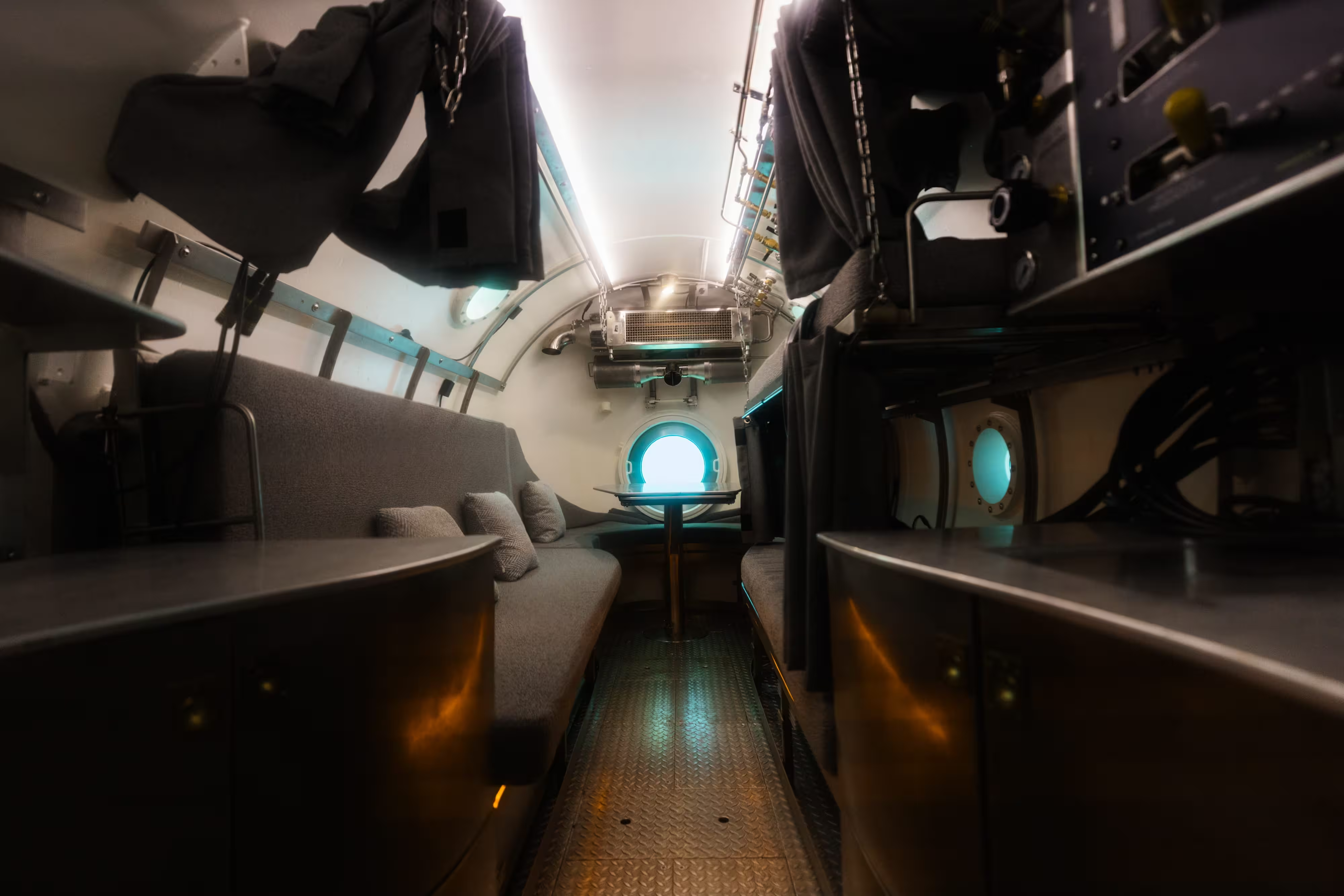
The heart of Vanguard, the living chamber is where the crew eat, sleep, work and go about their daily tasks when they’re not diving. Inside the chamber is a comfortable multi-use space for work, relaxation and sleeping, a galley area to prepare meals, and bathroom facilities.
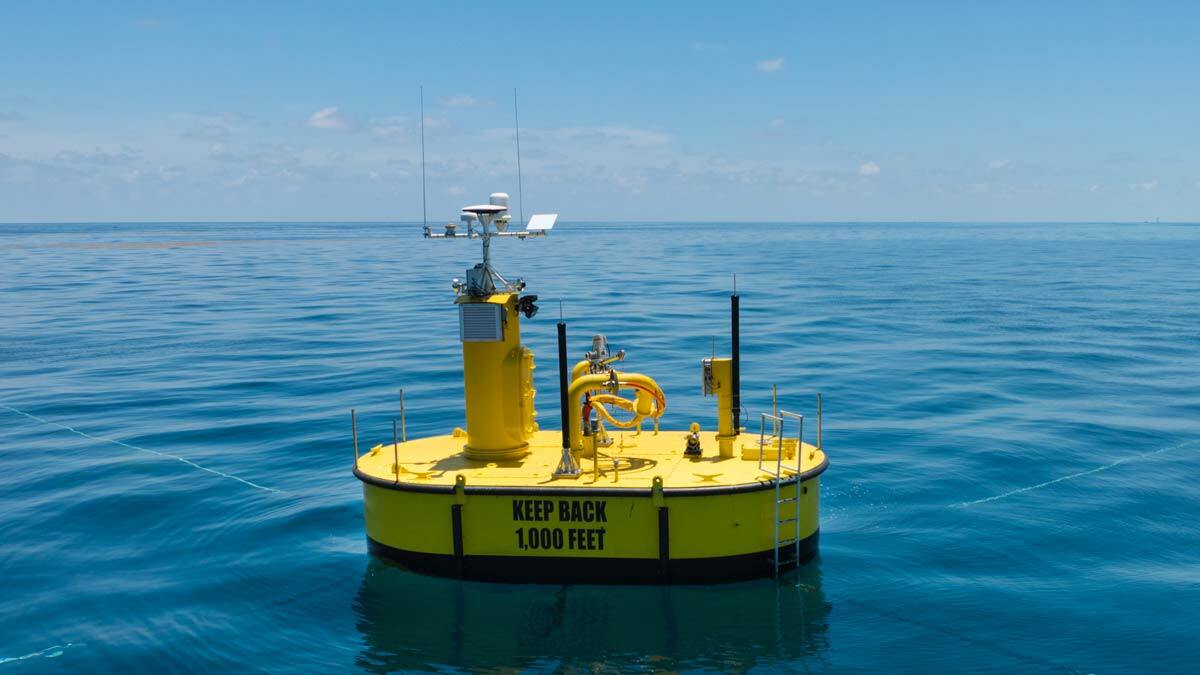
At the surface,Vanguard is supported by a buoy. This floating structure is tethered to the habitat and provides various support services to the crew, such as breathing gases, power, and communications. Crews moor to the buoy, dive down to Vanguard and enter the habitat through its moon pool.
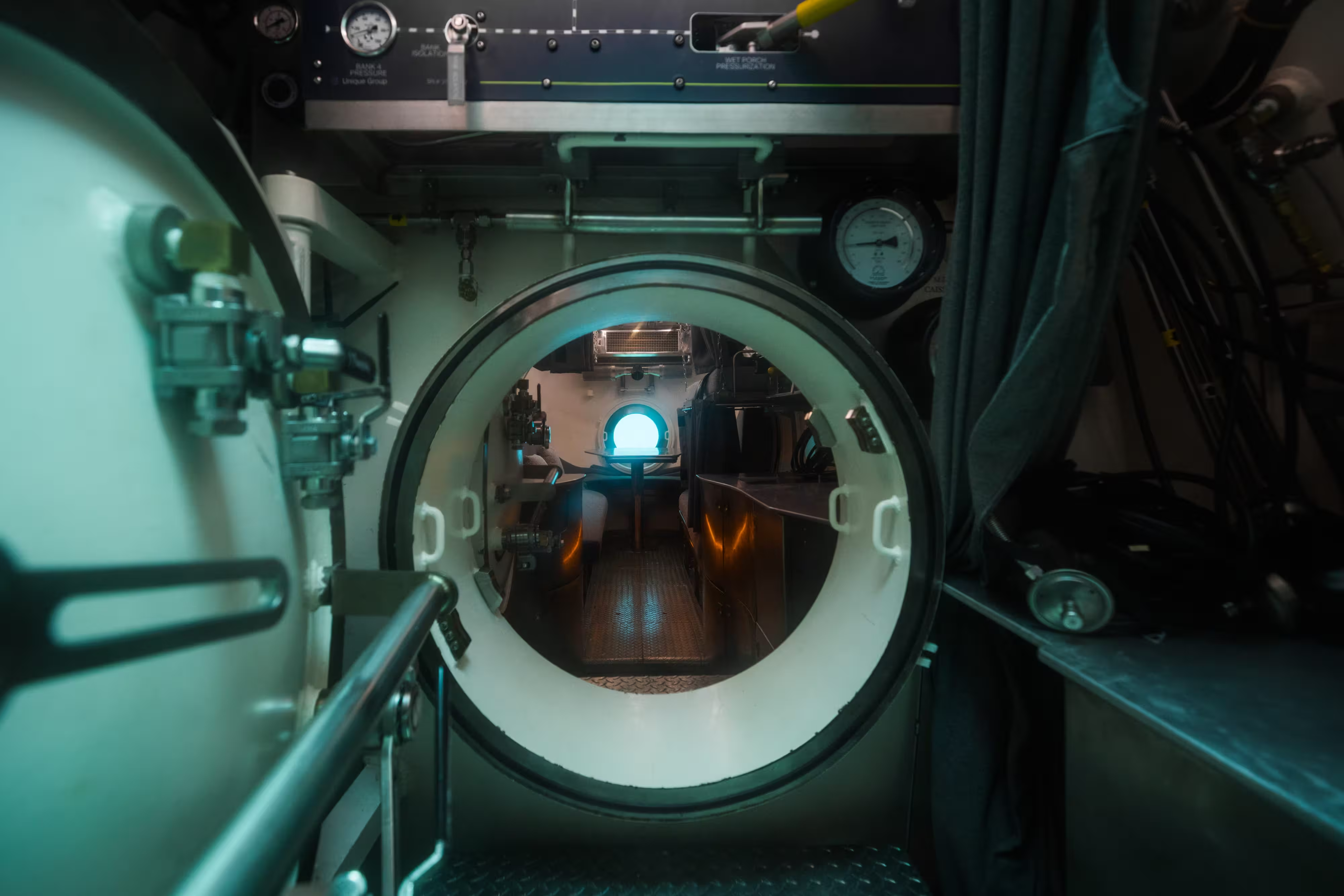
Vanguard is operated at ambient pressure, which means the pressure inside matches the pressure outside. This is like a saturation system where the compartment a crew lives in is equal to the pressure at which they will dive, but Vanguard is mounted to the seabed rather than being lifted in and out of the water from a dive support vessel like a diving bell.
