
‹
Sector solutions
Accordion Header text
Accordion Header text
Accordion Header text
Accordion Header text
‹
About us
Accordion Header text
Accordion Header text
Accordion Header text
Accordion Header text
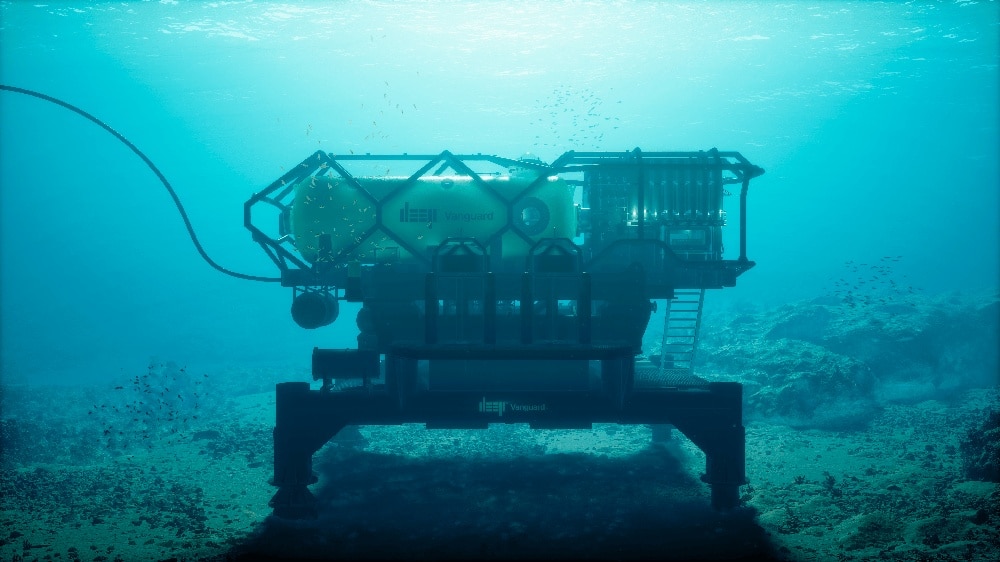
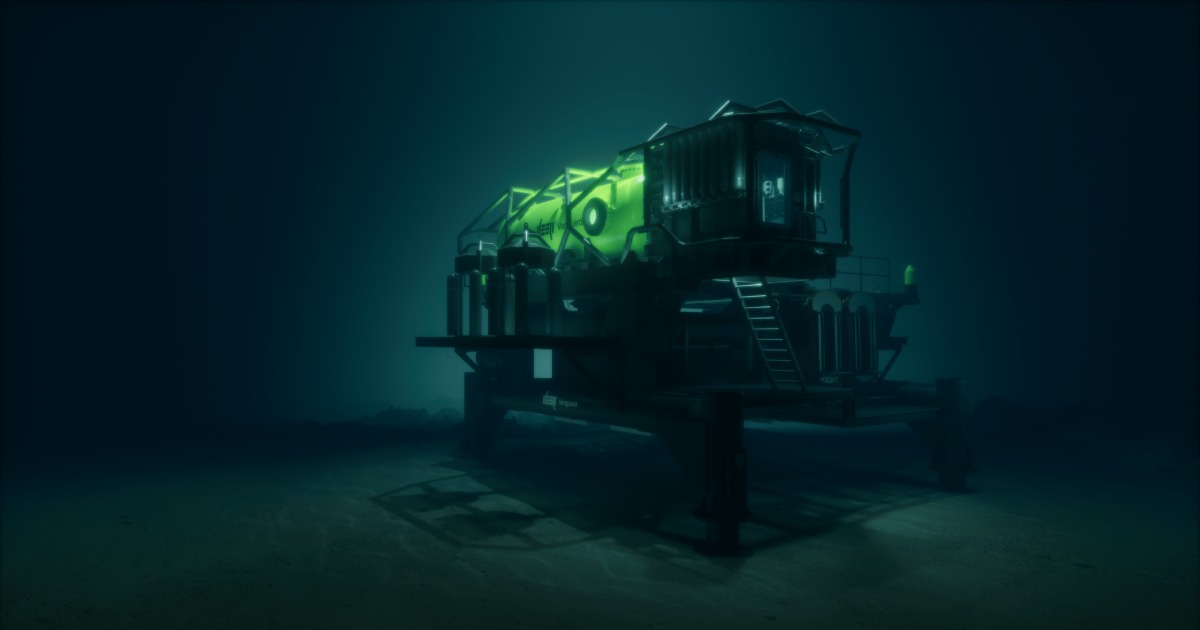
After an extensive refit and modernization process, FLIP will be relaunched with new instruments, sensors, computing capability and communication systems. The platform will also be adapted to enable the integration and operation of other technologies that will provide a unique and comprehensive capability set. DEEP’s modular equipment integration system will allow the broadest possible scope of third-party systems onboard. Utilizing this system, users will be able to operate and monitor their own propriety equipment in a workspace customized to their tasking. Alongside this, FLIP’s upgrades will put her at the forefront of modern standards in safety, comfort, and ease of operation.
We’re now asking the academic community to register potential future interest in FLIP. If you’re interested in using FLIP or learning more about how the platform could support your work, we want to hear from you.
Fill in the form and you will be contacted by a member of the team to discuss your ideas.
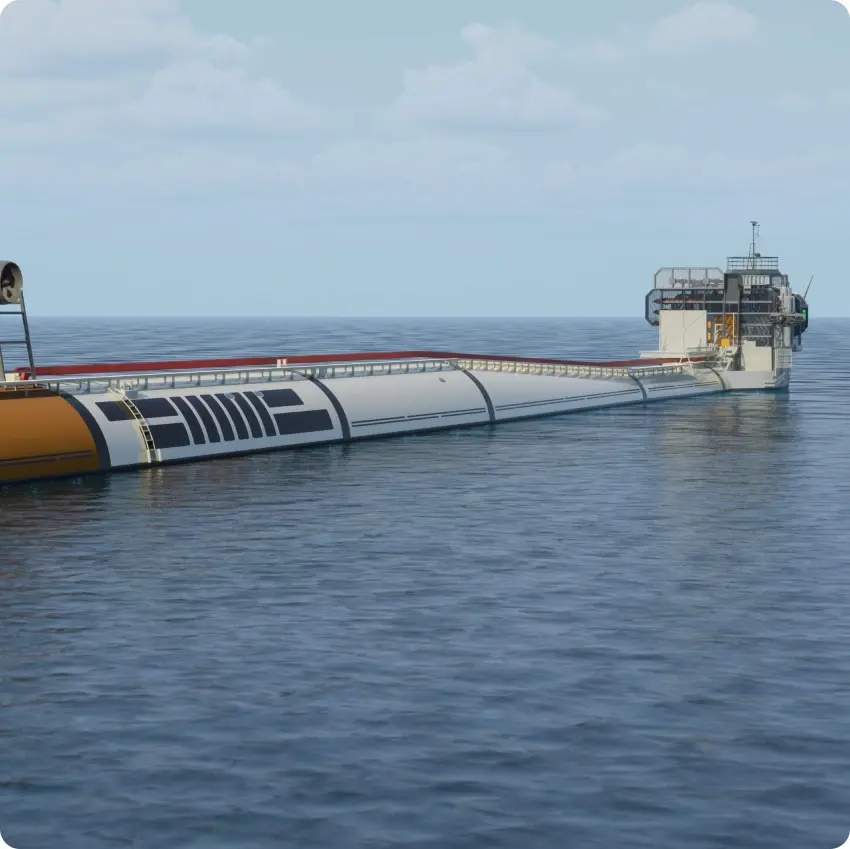
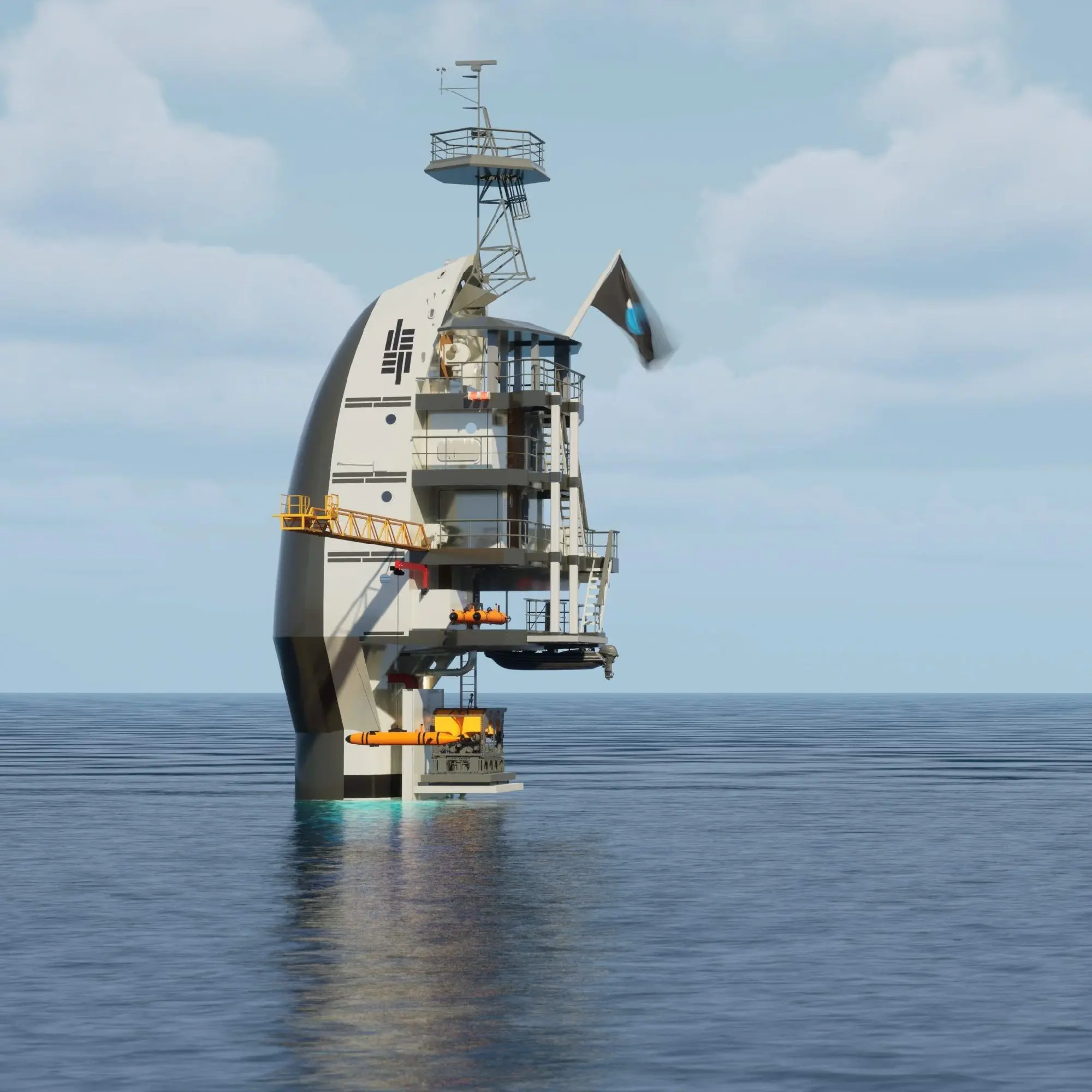
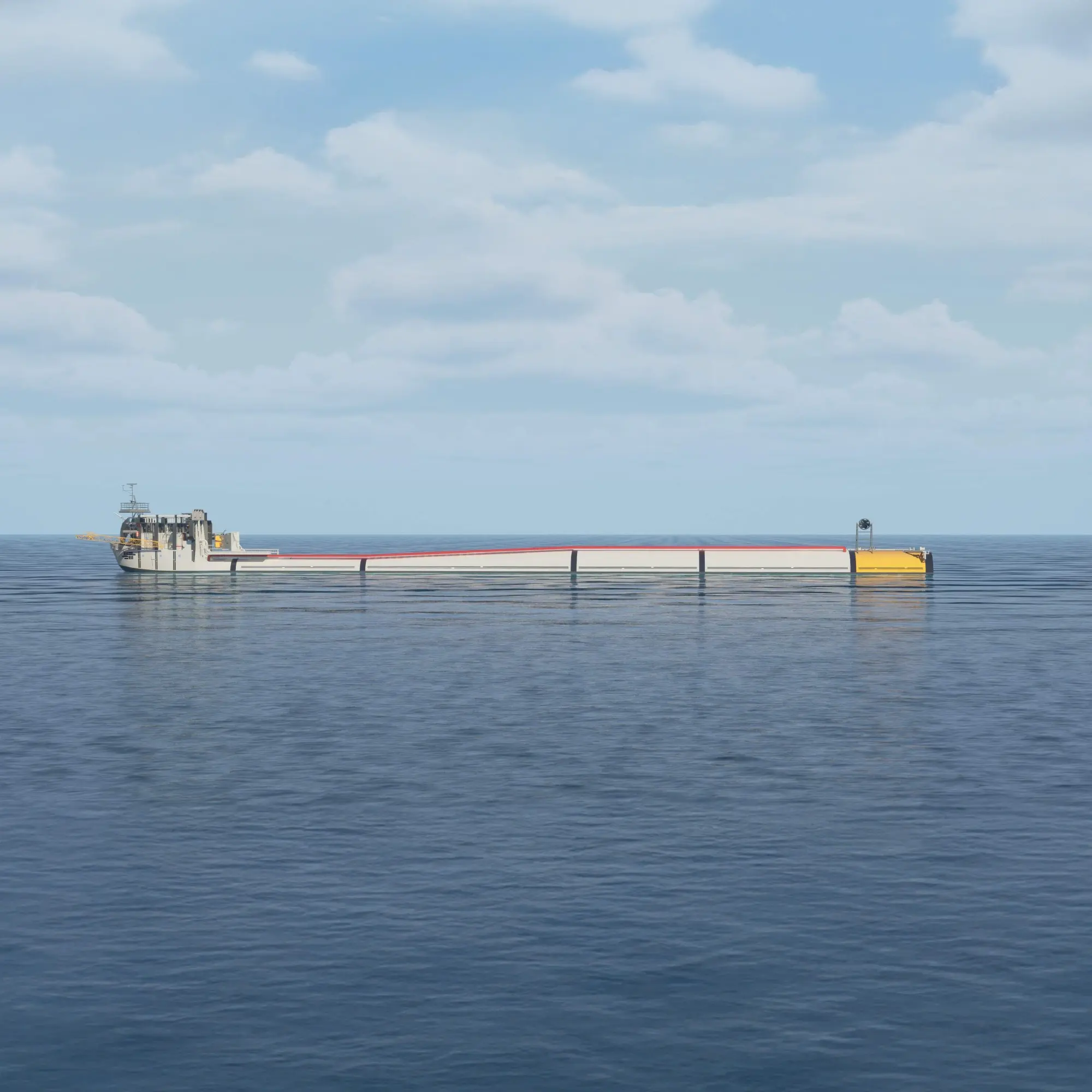
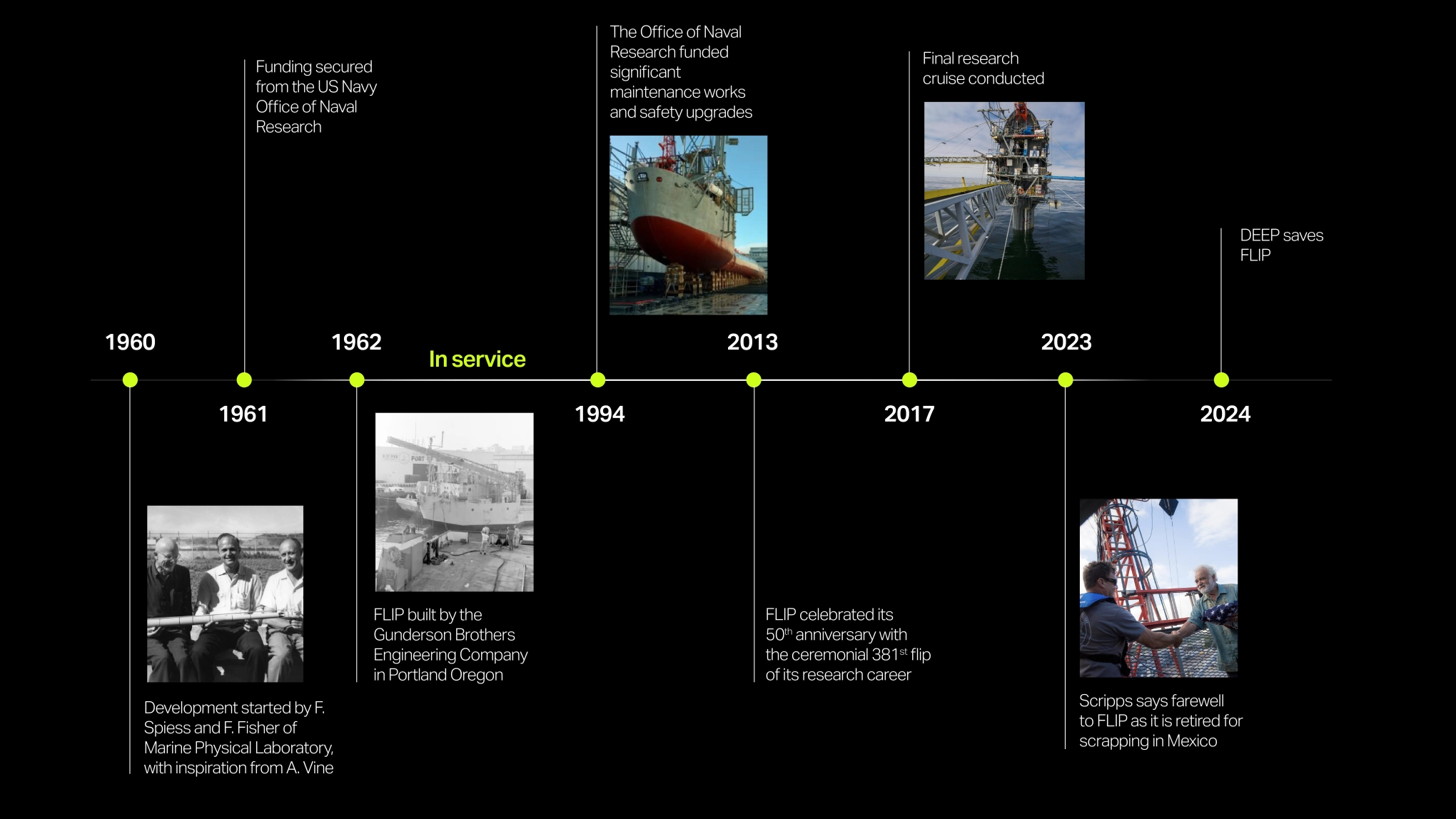
FLIP has participated in over 300 research missions around the world, mostly in the Pacific Basin, and has contributed to the advancement of knowledge in many fields of oceanography, such as acoustics, optics, biology, chemistry, geology, and meteorology.
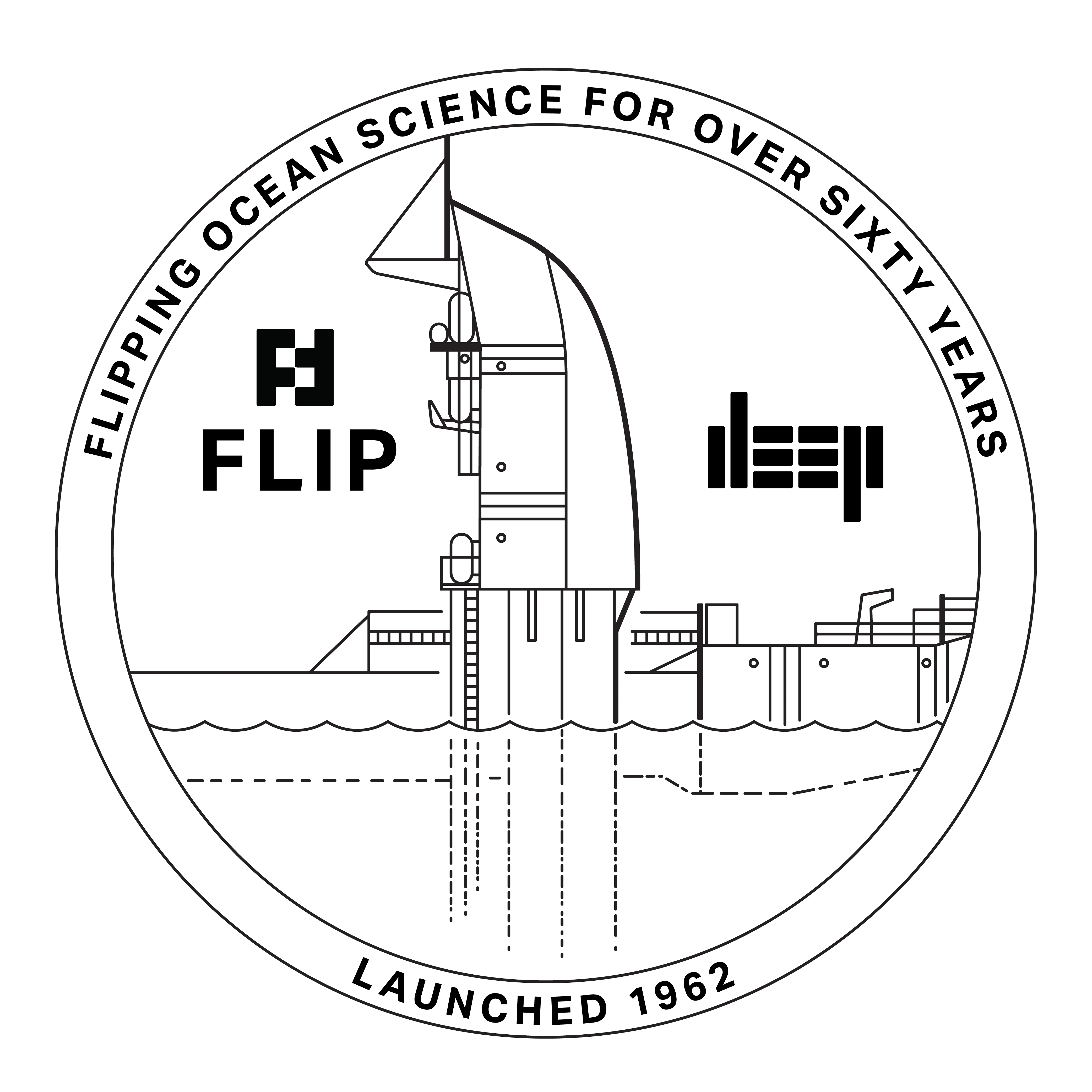
FLIP, which stands for ‘Floating Instrument Platform’, is an ocean research vessel known for its unique design and ability to ‘flip’ from a horizontal position to a vertical one. FLIP was built in 1962 with funding from the U.S. Navy’s Office of Naval Research and was operated by Scripps Institution of Oceanography.
The 108 meter (355 feet) long vessel’s ability to change orientation gives it stability in even the stormiest seas, making it possible to study oceanographic phenomena like sound propagation, wave dynamics, and marine life in all conditions.
FLIP is towed to the desired location and once there its ballast tanks are flooded, causing it to flip from horizontal to vertical in about 20 minutes. In the vertical position, FLIP is stable and quiet, with 90 meters (300 feet) submerged below the surface. This minimizes the effects of wind and waves on the instruments and experiments.
All images sourced from Marine Physical Laboratory - Scripps Institution of Oceanography
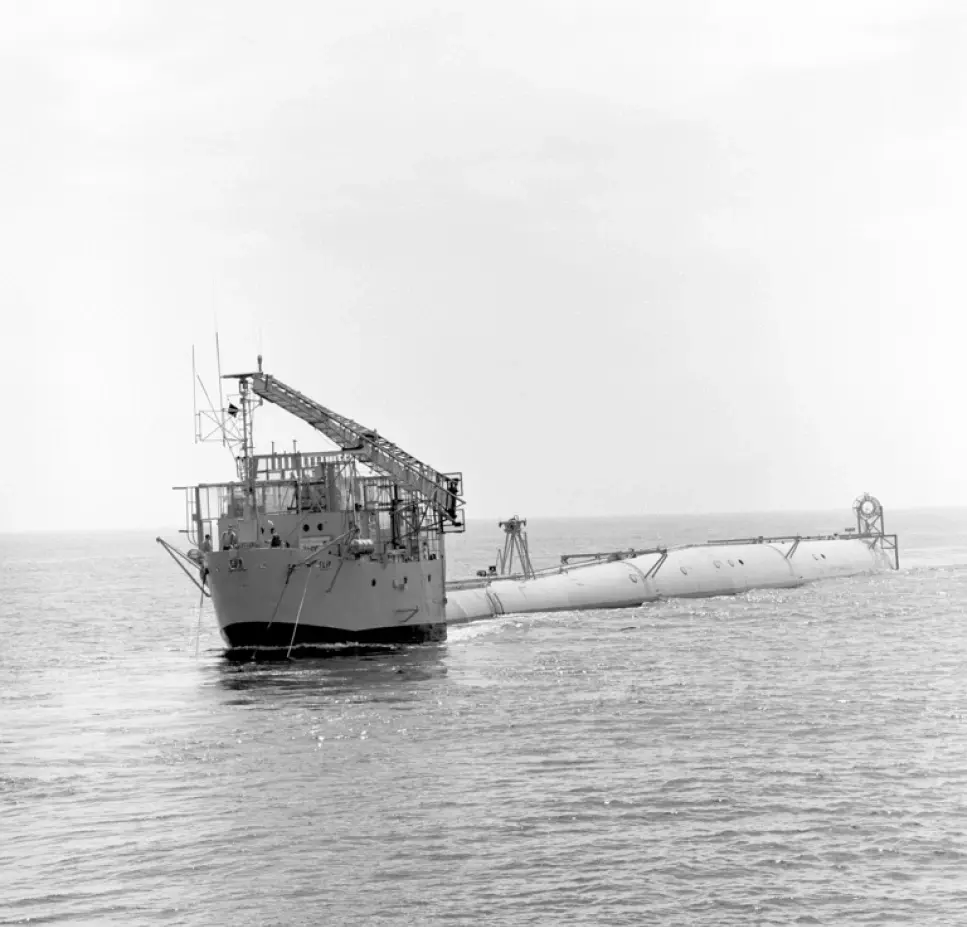
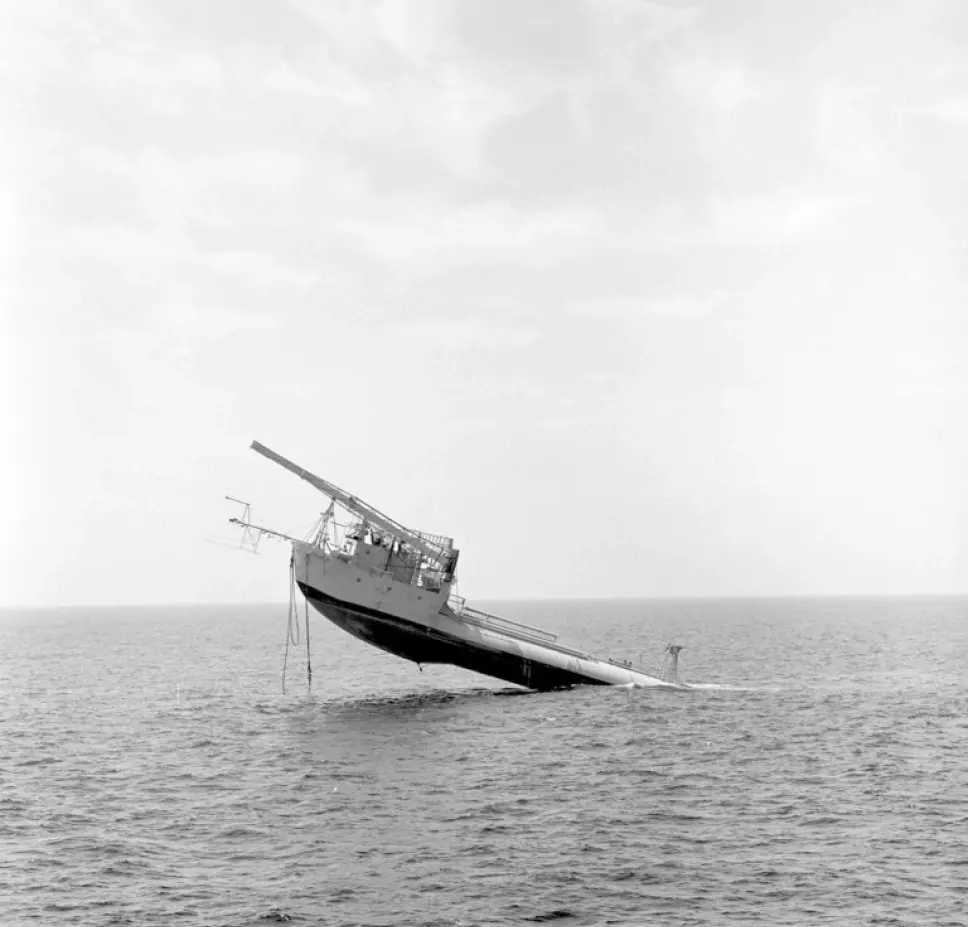
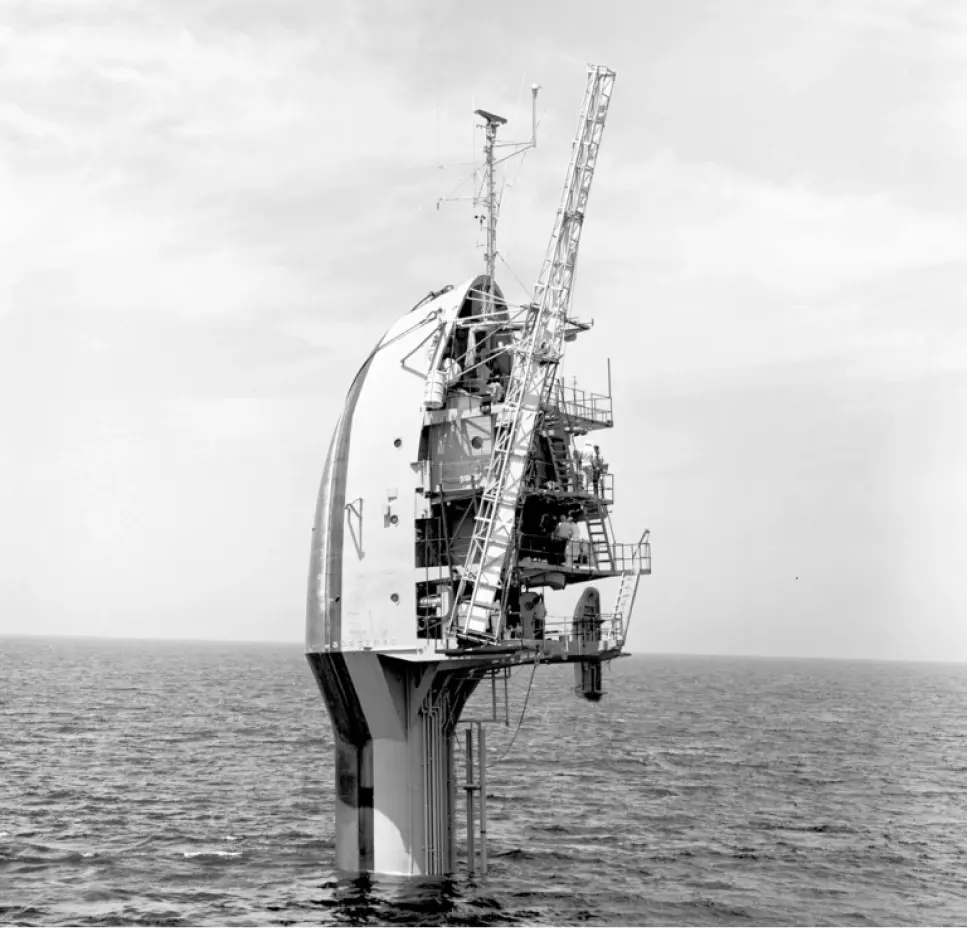
FLIP in horizontal position
FLIP transitioning
FLIP in vertical position
In addition to being a platform for a wide array of sensors, FLIP can also operate as a hub for research assets or for scientists to operate safely from, over sustained periods of time. Additionally, it will be able to operate as a platform for technology development and trials in fields such as sustainable energy, material science, and communication.
You can find out more in the press release.
And you can follow FLIP’s refurbishment journey on our social channels @deepengineered.
