Diving courses and training

Aligned with our mission to make humans aquatic, we provide specialist training for those looking to explore and operate in subsea environments. Delivered from our locations in Florida and the UK, our courses span closed bell diving, submersible search and rescue, CCR, and DMT training.

Courses we offer

Diving courses

October 2026
UK Flag

Closed Bell Diver

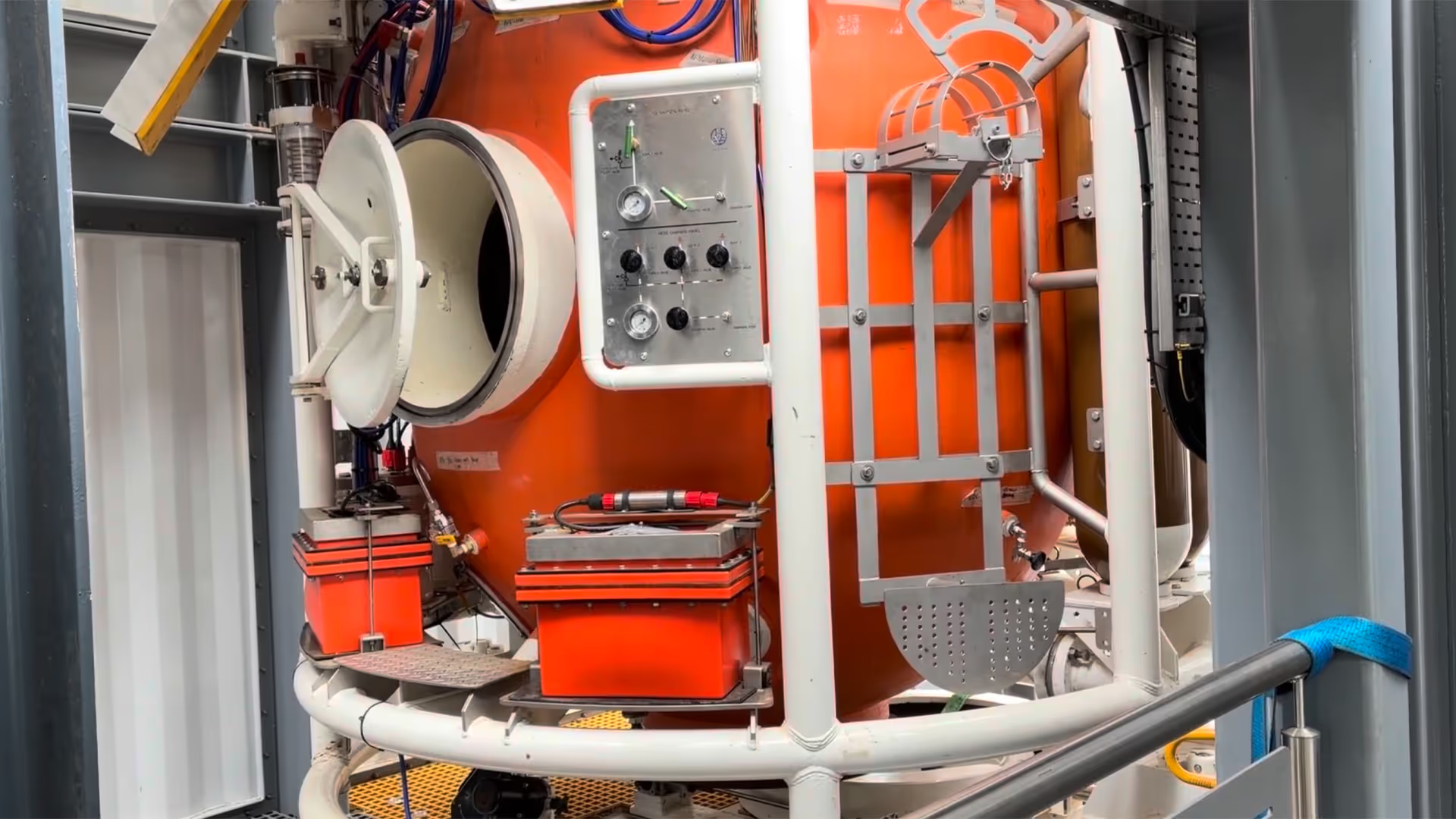
An intensive program aligned with global safety standards for divers operating at significant depths with closed bell systems, covering advanced saturation diving techniques, decompression theories, and hyperbaric chambers.

May 2026
UK Flag

Closed Circuit Rebreather

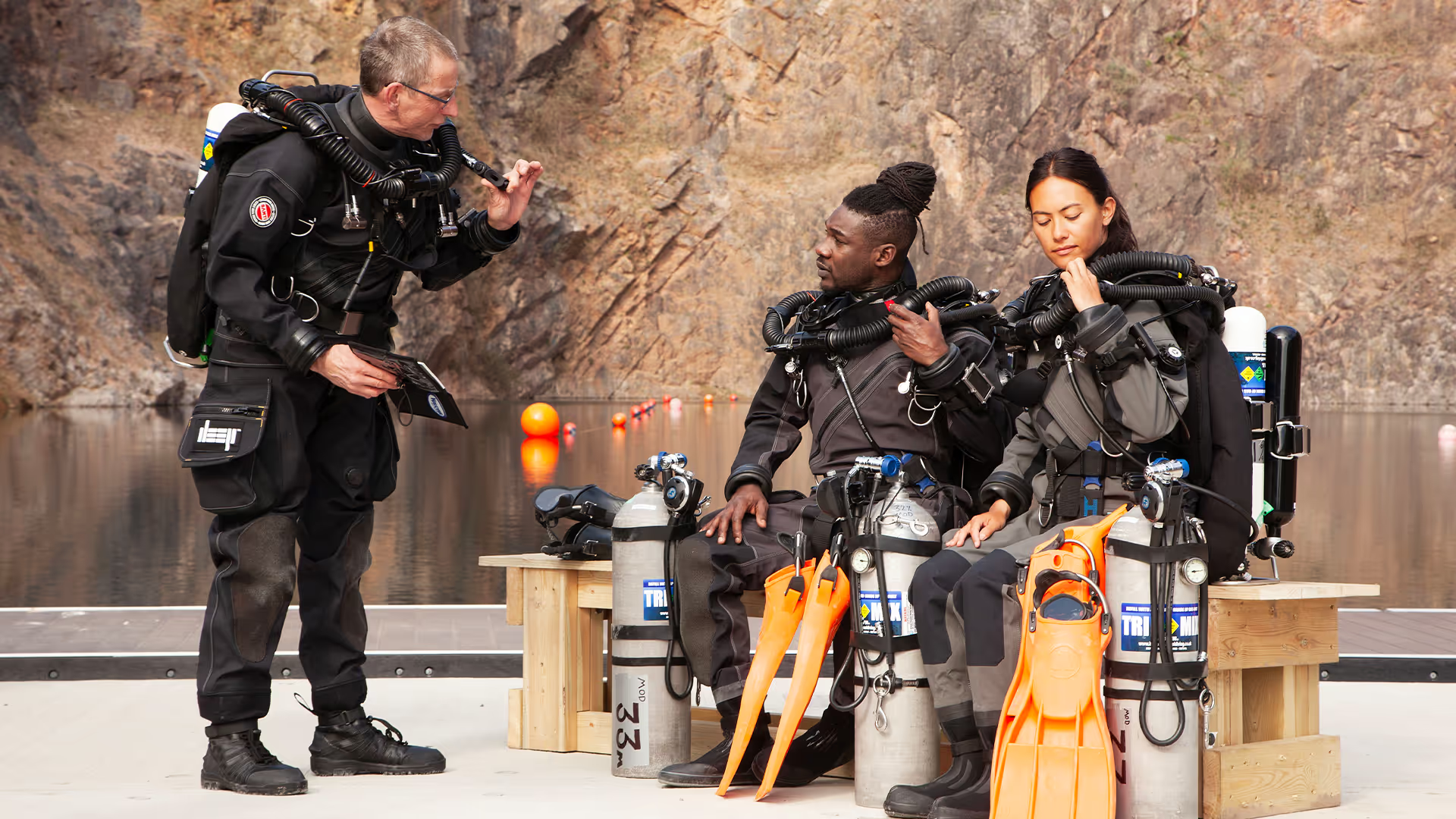
Four levels of advanced training focused on Closed Circuit Rebreather (CCR) systems, emphasizing extended dive durations, minimization of gas wastage, and reduced environmental impact.

June 2026
UK Flag

Diver Medical Technician

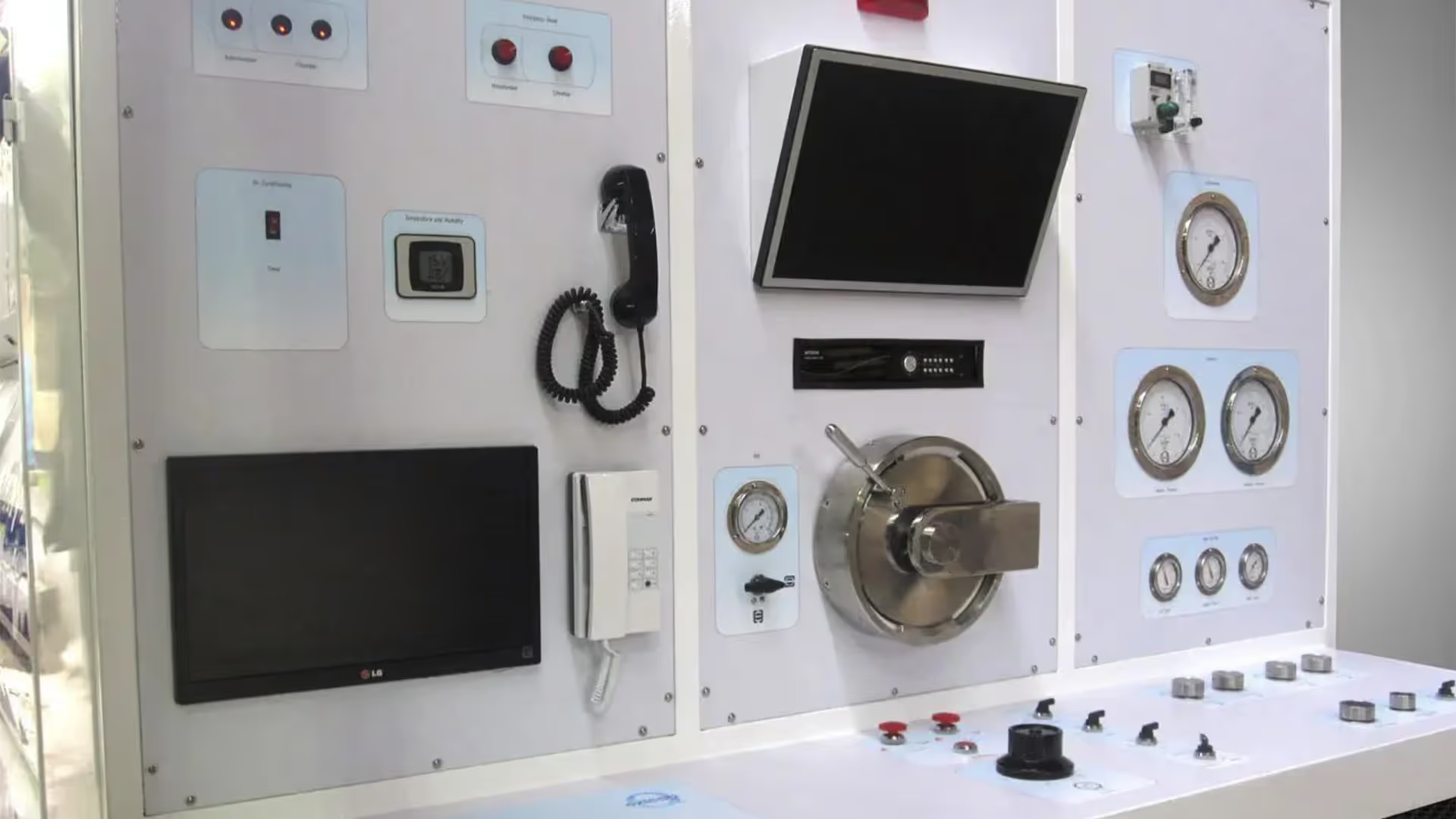
Comprehensive training in hyperbaric medicine, divingphysiology, and managing dive emergencies. Develop practical skills in hyperbaric chamber operations, oxygen administration, and advanced first aid for diving and hyperbaric environments.

Submersible courses

April 2026
UK Flag

Submersible search and rescue

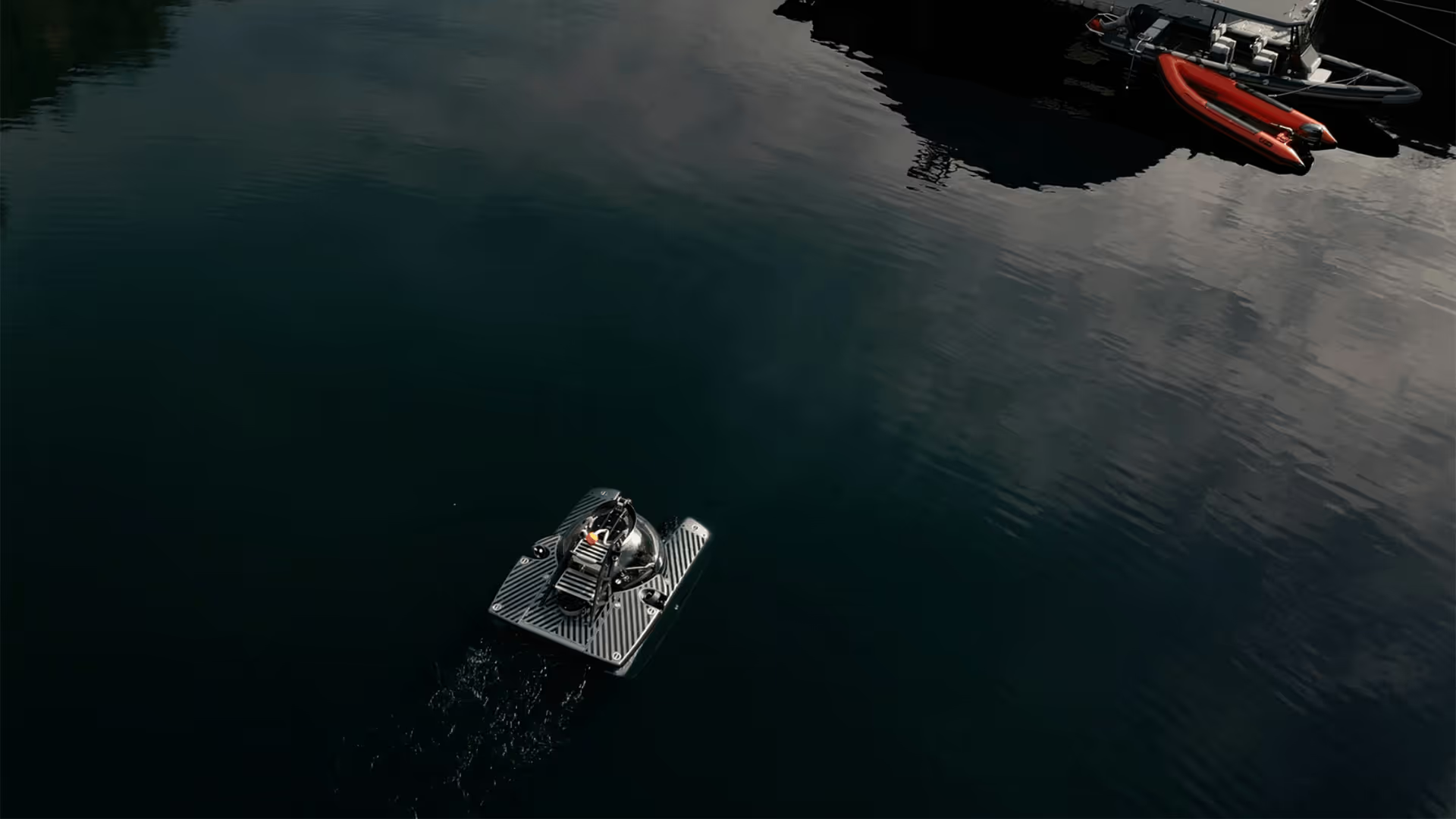
Train in the recovery of crewed acrylic sphere submersibles, learning effective search and rescue techniques. The course includes sub-to-sub approach and tethering, survivor extraction and stabilization, communications protocols, and the simulation of full scenarios.

Frequently asked questions

Are DEEP commercial diving courses recognised internationally?
Any course provided by DEEP is approved by the appropriate awarding organisation such as the UK HSE. Whilst these are widely accepted, it is worth checking in the country of intended employment or the employer as to whether they accept the qualification.
Are DEEP courses recognised by the HSE, ADCI, or IMCA?
Any course provided by DEEP is approved by the appropriate awarding organisation for that qualification.
Are DEEP qualifications accepted by offshore oil, gas, and renewables employers?
All courses provided by DEEP are approved by the awarding organisation such as the UK Health and Safety Executive. These are accepted by employers but it should be noted that other skills may be necessary prior employment (e.g. welding).
How much experience do I need before saturation / closed bell training?
A complex course such as closed bell diving requires a certain level of prior skill and experience. This is set by the UK Health and Safety Executive as the awarding body and is listed in the course prerequisites. You will not be offered a place on course without demonstrating that you meet these.
What does the course fee include?
Course fees cover all tuition, equipment and use of the facility for the length of your chosen course. Get in touch if you have a specific query.

Get in touch